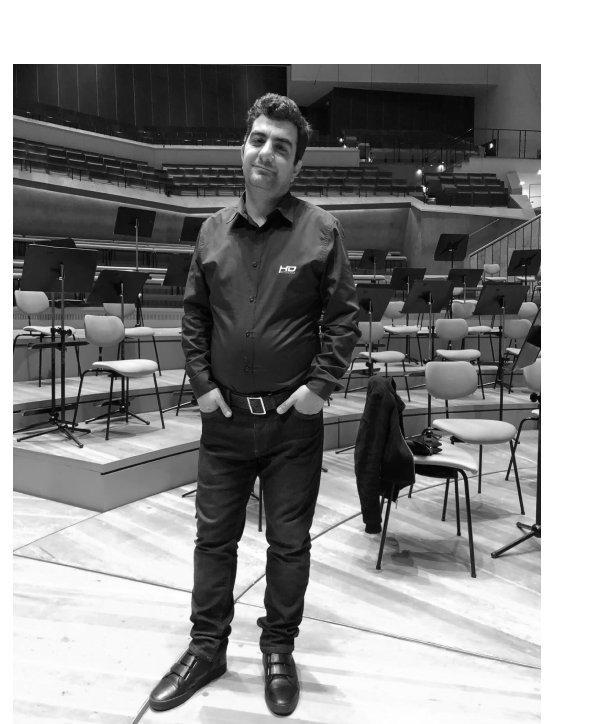
This is Karen in 2020, he is filming yet another masterpiece video for an orchestra. He’s in his element, moving between camera setups, adjusting angles, and shouting over the clamor of musicians warming up. It’s what he’d done for over 10 years—conventional video production with all the wires, lights, and chaos that come with it. But Karen’s mind isn’t entirely on the shoot. No, he was thinking about the countless smaller orchestras who can’t afford his services, stuck with grainy, shaky footage that doesn’t do their talent any justice.
Working with a team of developers, Karen turned the idea into the first version of Notation AI, combining camera automation, software, and score-based production tools for orchestras.
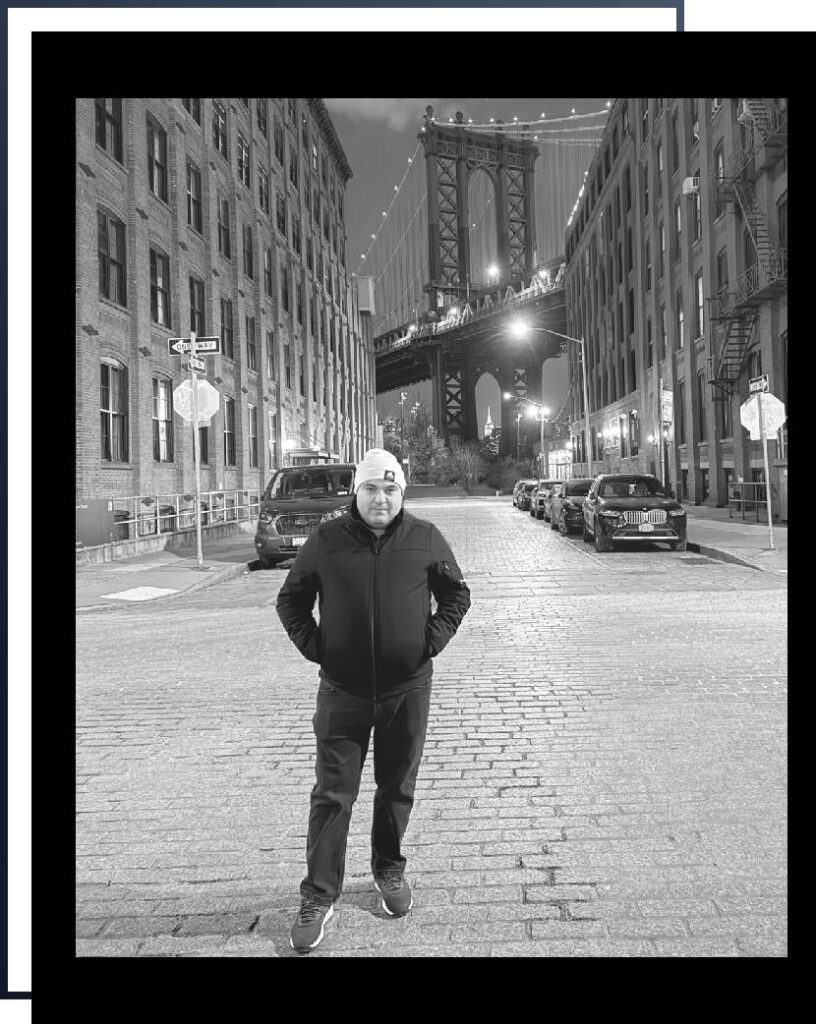
This is Vahan. In December 2025, he took responsibility for Notation AI’s technology, opening a new chapter in its development.
With a background in mathematics, software architecture, and artificial intelligence, Vahan has spent years building AI-powered production systems. His experience in computer vision, video analysis, machine learning, generative AI, and automation was exactly what Notation AI needed to become more reliable, intelligent, and scalable.
Today, he leads the platform’s technical direction, combining its original vision with modern AI to make professional concert production more accessible to orchestras.
The system now supports the entire production workflow: planning a performance from the score, preparing camera presets for musicians and sections, building a visual storyboard, managing media and audio, and guiding multi-camera production during the concert. Instead of asking teams to choose between expensive crews and static recordings, Notation AI gives them a practical way to create polished concert video with consistency, musical awareness, and far less operational overhead.
At the heart of the platform is a simple idea: the music should lead the production. Notation AI connects the score with what the audience sees on screen, helping entrances, solos, conductor cues, and ensemble changes be captured with intention.
With AI assistance, precise production planning, and automated camera movement, directors can work with more confidence and less stress. AI tracking, smooth follow shots, pans, zooms, and prepared transitions help the cameras move with the musical flow, so teams can stay present with the performance instead of constantly reacting under pressure.
That is why, when planning is complete and production is ready to begin, the button that opens the production screen is called: Enjoy the Show.

Notation AI is a production platform for orchestras, concert halls, and music organizations that want to create high-quality concert video with less stress and a more repeatable workflow. It is built for production teams, directors, camera operators, managers, and institutions that need professional results without depending on a large crew for every performance.
Notation AI connects the musical score, camera presets, AI-assisted planning, and live production tools into one workflow. Teams can prepare shots around the music, assign cameras to important moments, automate camera movement, and use AI support for musician detection, tracking, and smoother production decisions.
Notation AI helps teams reduce production complexity, prepare shows more consistently, capture key musical moments with intention, and create polished multi-camera concert videos with fewer manual decisions during the performance.
No. Notation AI supports the people behind the production. It handles preparation, timing, camera movement, and AI-assisted tasks so directors and operators can focus on the music, creative choices, and the live performance itself.
Yes. Notation AI is designed to fit into real production environments. It can work with supported PTZ cameras and production tools such as video switchers, helping teams build a smoother workflow around the equipment they already use.
No. The platform is useful for large venues, orchestras, schools, festivals, and smaller ensembles. The value is the same: better planning, smoother camera work, and more consistent concert documentation with less pressure on the production team.